general
National promises homeowners low-cost loans to install solar power: A 2026 guide for Australian property owners
The National Party has promised Australian homeowners low-cost loans to install solar power. This guide explains how the proposed scheme works, eligibility, rates, and how a mortgage broker can help you lock in the best finance terms for solar panel installation.
Introduction
If you’ve been watching the energy headlines closely, you’ll have seen one phrase do the rounds widely over the last few months: National promises homeowners low-cost loans to install solar power. First reported by RNZ National, the proposal has sparked plenty of debate across the Australian property and finance sectors. The idea is simple on paper—give everyday homeowners access to heavily subsidised finance so they can put solar panels on their roof without a large upfront payment. But as with any loan scheme, the detail matters. Interest rates, eligibility, repayment terms and even the way you apply can make a huge difference to your overall savings. Whether you own a freestanding house in Sydney’s western suburbs or an apartment in a strata complex, understanding how this promise translates into real borrowing is essential. In this guide, we break down the proposed National Party low-cost solar loan scheme, compare it against existing green finance products, and explain why a qualified mortgage broker remains the smartest way to navigate the opportunity.
What exactly is National’s low-cost solar loan proposal?
At its core, the policy is exactly what the key phrase says: National promises homeowners low-cost loans to install solar power. The proposal, echoed in RNZ National’s coverage and subsequent Australian political commentary, aims to lift residential solar uptake by removing the biggest barrier—upfront capital. Under the framework discussed, eligible homeowners would be able to access a government-backed loan of up to around $20,000 (final limits are still being debated) at an interest rate substantially below standard personal loan or mortgage top-up rates. Some early briefings have suggested rates as low as 1% to 2% per annum, with repayment terms stretched over 10 to 15 years.
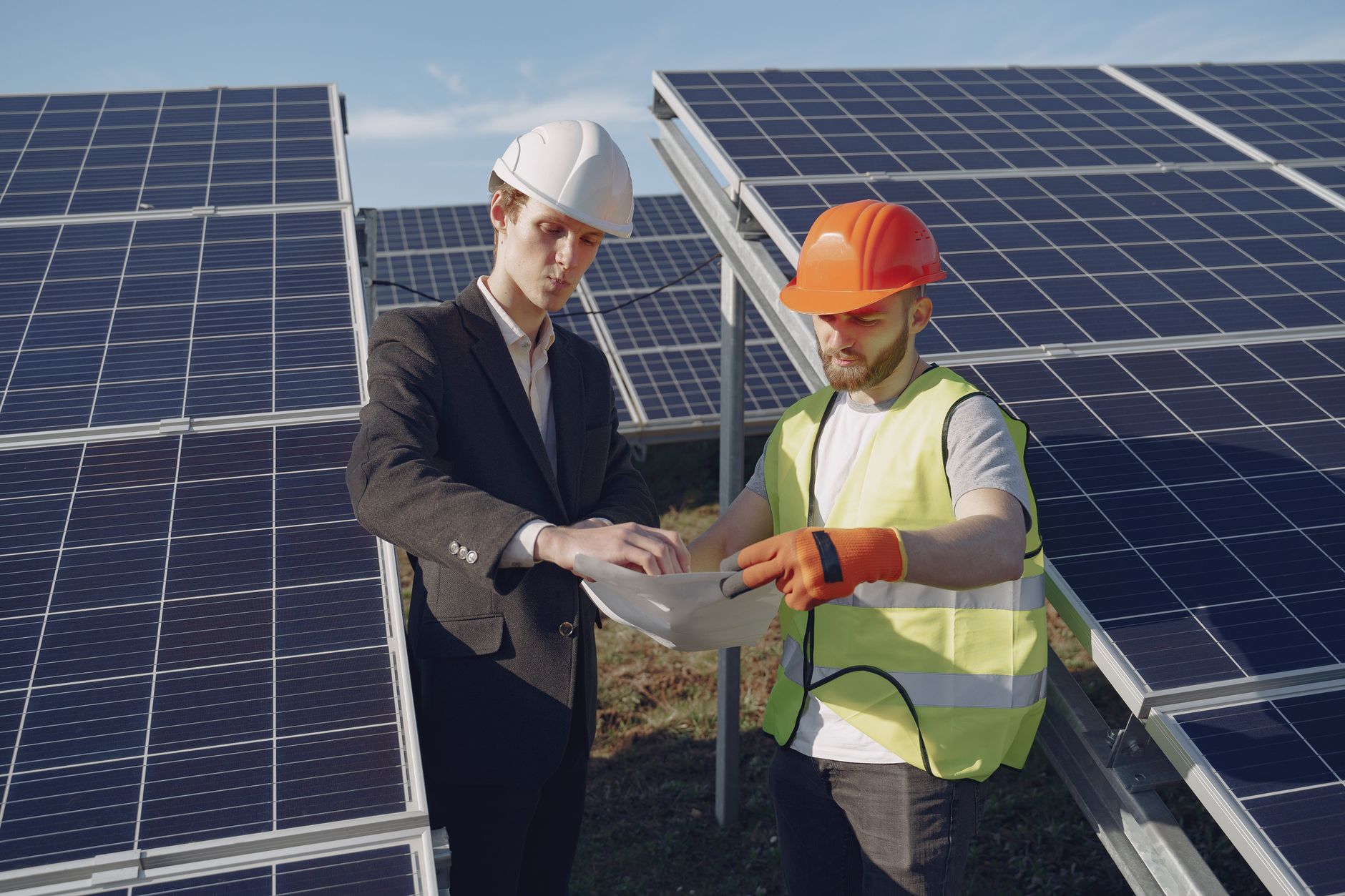
The loan would be tied to the property rather than the individual, much like a statutory charge or a green lien, meaning the obligation could transfer to a new owner upon sale. This design feature helps keep default risk low and makes the debt feel more like a long-term home improvement investment. Importantly, because National promises homeowners low-cost loans to install solar power as a dedicated product line, the finance would sit outside standard mortgage arrangements, giving homeowners an alternative to resetting their entire home loan just to fund a $15,000 solar system.
From a broker’s perspective, the proposal is a significant shift. It creates a new asset-backed lending product that sits alongside traditional mortgage lending, personal loans and green credit cards. Even though the final legislation hasn’t been passed, the direction is clear enough that homeowners should start preparing their financial position now.
How do low-cost solar loans work in practice?
To understand why National promises homeowners low-cost loans to install solar power is such a talking point, you need to look at how the repayment mechanics differ from typical home improvement finance. A conventional approach would be to redraw equity from your mortgage, use a personal loan, or rely on a buy-now-pay-later provider—each with significant cost or flexibility drawbacks. The National scheme aims for a fixed low rate over a long term, with repayments designed to be offset by the electricity bill savings generated by the new solar panels.
Here’s a simplified example: suppose you install a 6.6kW solar system costing $8,000 after government rebates. You borrow the full amount through this proposed low-cost loan at 1.5% over 10 years. Your monthly repayment would be approximately $72. In many parts of Australia, a 6.6kW system can cut a household’s quarterly electricity bill by $300–$500, meaning the savings comfortably exceed the loan repayments from day one. That positive cash flow is the core promise.
Repayments are likely to be collected via a dedicated account or added to council rates notices, similar to existing environmental upgrade finance in some local government areas. The low rate is made possible by a government guarantee that backs the lender, reducing the risk premium. While National promises homeowners low-cost loans to install solar power, the lending will almost certainly be delivered through a panel of approved financial institutions and not directly from the government. That’s where brokers come in—they can help you compare offers from multiple accredited lenders once the scheme is live.
Eligibility requirements for the National solar loan scheme
Even though National promises homeowners low-cost loans to install solar power for what sounds like a broad group of Australians, there will inevitably be eligibility criteria. Drawing on similar state-level programs such as the Victorian Solar Homes initiative and the NSW Empowering Homes scheme, we expect the following conditions to be part of any federal or National-led policy:
- Owner-occupier status: The applicant likely needs to live in the property. Investment properties may be excluded or limited to a smaller subsidy.
- Creditworthiness: While the rate is low, lenders will still perform a credit assessment. A reasonable credit history and stable income will be expected.
- Property suitability: The roof must be structurally sound and receive adequate sunlight. This will usually require a site assessment from an accredited installer.
- Loan-to-value (LTV) ratio: If the loan is secured against the property, total borrowings including any existing mortgage should not exceed a certain percentage of the property’s value—often 80% or 90%.
- Installer accreditation: The system must be installed by a Clean Energy Council accredited professional, using approved panels and inverters.
One advantage of the scheme is that because National promises homeowners low-cost loans to install solar power, lenders may adopt more flexible serviceability tests. Since the loan is partly offset by predictable energy savings, some banks have already started experimenting with “green DSR” (debt service ratio) models. Homeowners who work with a mortgage broker experienced in green finance will be able to position their application to reflect the full cash flow benefit.
Benefits of installing solar panels with a low-cost loan
The reason the statement National promises homeowners low-cost loans to install solar power grabs attention isn’t just the cheap money—it’s the long-term wealth effect for households. Here’s what a well-structured low-cost solar loan can deliver:
- Immediate cash flow boost: As shown earlier, loan repayments are often lower than energy bill savings, producing positive monthly cash flow from year one.
- Increased home value: Solar panels and battery readiness are increasingly valued by buyers. Domain’s 2026 Sustainability in Property report indicates solar-equipped homes in Sydney fetch a 3%–5% price premium.
- Protection against energy inflation: Grid electricity prices in Australia have been rising at around 4%–7% annually. Locking in a fixed, low-cost loan payment shields you from that volatility.
- Asset ownership from day one: Unlike power purchase agreements (PPAs) where the installer owns the panels, the loan route gives you full ownership of the system and all associated feed-in tariff revenue.
- Tax-free savings: Money saved on energy bills is effectively tax-free, unlike interest earned on savings accounts.
Brokers often point out that when National promises homeowners low-cost loans to install solar power, the benefit compounds if you pair the panel installation with a battery addition or an electric vehicle charger. Although the baseline loan cover may be capped, some lenders allow bundling of energy-efficiency improvements, expanding the scope of what can be financed.
Comparing solar loans: National scheme vs traditional finance
Because National promises homeowners low-cost loans to install solar power, it’s important to compare the proposed product against existing options. Homeowners today who can’t wait for the scheme to launch often use these alternatives:
- Mortgage top-up (equity release): 5.5%–6.5% · Up to 30 years · Spreads debt over long term but blends with home loan rate
- Green personal loan: 4.5%–7.5% · 3–7 years · Unsecured, fast approval, often from specialist lenders
- Buy-now-pay-later solar: 0% for 12–24 months, then 14%+ · Short term · High risk of rate shock after interest-free period
- National low-cost solar loan (proposed): 1%–2% · 10–15 years · Lowest cost, government-backed, potentially transferable
The differential is stark: on a $15,000 principal, a 6% mortgage top-up costs around $900 in interest in the first year alone, while a 1.5% low-cost loan costs just $225. Over a decade, the savings easily exceed $6,000 in interest. That’s why the claim National promises homeowners low-cost loans to install solar power matters—it fundamentally changes the return-on-investment timeline for solar.
A mortgage broker can model the blended cost of keeping your existing home loan untouched while adding a separate low-cost facility. This holistic approach avoids the trap of accidentally eroding a competitive fixed-rate mortgage just to fund a $12,000 panel installation.
How a mortgage broker can help you secure the best solar loan
Whenever a policy announcement hits the news cycle and National promises homeowners low-cost loans to install solar power, it’s tempting to assume the government will handle everything. In reality, government-backed loans still flow through commercial lenders, and there will be subtle differences in fees, approval times, offset capabilities, and top-up allowances. A Sydney-based mortgage broker who tracks green finance products can add value in several ways:
- Lender panel access: Brokers have access to dozens of lenders regularly updating their green loan offerings. They can match you with an institution that values your specific postcode, property type, and employment profile.
- Bundling strategies: If you’re also looking at a broader home loan refinance, a broker can show you whether separating the solar loan or consolidating everything under one green mortgage yields a better after-tax position.
- FIRB and tax considerations: For foreign buyers or Australian expats, adding a secured loan to an existing FIRB-approved property can trigger compliance reviews. A broker ensures the application respects all legal boundaries.
- Rebate stacking: A good broker works with your installer to confirm you’re claiming all available state and federal solar rebates (STCs, state incentives) before finalising the loan amount—this reduces the amount you need to borrow.
- Future flexibility: Because National promises homeowners low-cost loans to install solar power, the loan will likely be a fixed-term facility. A broker can negotiate features like extra repayment allowances or redraw access, which can accelerate your paydown.
For homeowners in Sydney’s competitive housing market, having a finance professional coordinate the solar loan and the existing mortgage is a clear advantage. It protects your credit file, keeps paperwork manageable, and most importantly ensures you don’t miss out on the lowest available rate.
Steps to prepare for the National solar loan now
Even if the scheme’s final rules are pending, action taken today can speed up your approval later. Since National promises homeowners low-cost loans to install solar power, early preparation will help you move quickly once the application portal opens.
Here’s a practical timeline:
- Review your credit report: Obtain your free credit score from Equifax or Experian and correct any errors. A clean file supports the lowest possible rate tier.
- Assess your roof and energy profile: Engage a CEC-accredited installer for a no-obligation quote and solar feasibility report. This document will be required during the loan application.
- Calculate your borrowing capacity: Meet with a broker to determine how much you can safely borrow based on your income, living expenses, and existing obligations. Even a low-cost loan needs to pass a serviceability test.
- Check your mortgage product: If you’re on a very low fixed rate, verify whether adding a separate secured loan would trigger any break costs or covenants.
- Gather documentation: Payslips, tax returns, council rates notice, and proof of home insurance are likely to be required. Having them digitised and ready shortens turnaround time.
Remember, the reason National promises homeowners low-cost loans to install solar power is to accelerate Australia’s renewable transition. That means the initiative will likely run for a limited window with allocated funding caps. Homeowners who wait until the fund is nearly exhausted may find the best allocations gone. A broker can set up a pre-approval file so that your application is among the first submitted.
Frequently Asked Questions

Is the National solar loan available right now?
As of 2026, the scheme is still in policy development and hasn’t been legislated. However, several banks have already launched competitive green loan products in anticipation. A broker can guide you to the best available options today, with the ability to refinance into the government-backed loan later if eligible.
Can renters or landlords access the low-cost solar loan?
The promise that National promises homeowners low-cost loans to install solar power suggests a focus on owner-occupied properties. Landlords may eventually gain access through a separate stream, but renters are unlikely to qualify directly. Split-incentive programs for rental properties are being discussed separately.
What happens to the solar loan if I sell my house within the term?
The loan is expected to transfer with the property, and the remaining balance becomes the new owner’s obligation. This structure means you won’t need to fully repay the $15,000–$20,000 loan from sale proceeds, though you should discuss any implications with your conveyancer and broker.
How does a low-cost solar loan compare with outright cash purchase?
If you have spare cash earning 4% in a high-interest savings account (pre-tax), using that cash to buy solar panels saves you 1.5% interest cost but costs you the 4% yield you would have earned. Mathematically, keeping the cash invested and using the low-cost 1.5% loan is often the smarter move. A broker can model the opportunity cost to confirm the best approach for your situation.
Will the solar loan affect my borrowing capacity for a future property purchase?
Yes, any debt obligation—even a low-cost one—will be factored into your serviceability assessment. However, because the repayment amount is small and partially offset by utility savings, the impact is usually minimal. A broker can run a scenario analysis so you understand the exact effect before you commit.
Conclusion
The announcement that National promises homeowners low-cost loans to install solar power marks one of the most significant potential shifts in Australian household energy finance in a decade. By targeting a 1%–2% interest rate and wrapping the loan into a property-linked facility, the scheme promises to make solar accessible to households who are budget-conscious but want to lock in long-term energy savings. While the final mechanisms are still being designed, the strategic opportunity is already clear. Homeowners who prepare their credit profile, collect installation quotes, and sit down with a mortgage broker now will be ready to act the moment the loan window opens. In the meantime, comparable green loan products already exist on the market, and a Sydney-based broker can help you weigh these against your broader mortgage strategy. The goal isn’t just cheaper power—it’s a smarter total household balance sheet, and that starts with understanding exactly how the new low-cost solar loan promise can work for your specific property and financial goals.