general
Homeowner caught in 'crazy' flood waiting to hear if house a write-off
When a flood sweeps through a home, the days waiting for an insurer's verdict can be the hardest. We explore what a write-off means for a homeowner, how it affects a mortgage, and the steps Australian property owners can take to protect themselves before and after a natural disaster.
Homeowner caught in ‘crazy’ flood waiting to hear if house a write-off
Nothing quite prepares a homeowner for the moment the water stops rising and the waiting begins. Right now, across flood-hit parts of eastern Australia, thousands of people are sitting in temporary accommodation, scrolling through photos of sodden plasterboard on their phones, and refreshing a single question in their minds: is my house a write-off? For one homeowner caught in a ‘crazy’ flood waiting to hear if house a write-off, the silence from the insurer feels heavier than the water ever did. This article walks through what a total-loss verdict really means, how it interacts with a mortgage, and the practical steps that can turn a nightmare into a manageable recovery plan.
The day the water came
For many Australians, the word “flood” once conjured images of swollen rivers in faraway postcodes. That changed as record-breaking rainfall turned quiet suburban streets into brown waterways in regions from northern New South Wales to south-east Queensland, and even fringe suburbs of Sydney itself. The homeowner caught in a ‘crazy’ flood waiting to hear if house a write-off describes water rising from ankle-deep to waist-high inside 90 minutes—leaving a timeline so compressed there was barely a chance to move valuables upstairs. Furniture floated through open-plan living areas, floorboards buckled, and the thick smell of mud and oil crept into every cavity.
What gets damaged in a flood of this speed
When water enters a home that fast, it saturates not only visible surfaces but also wall cavities, electrical circuits, subfloor insulation, and structural timber. In the hours after the water recedes, the real tally begins. Plasterboard turns to crumbling paste. Skirting boards peel away. Chipboard cabinetry swells irreversibly. By the time a loss adjuster arrives—often weeks later in disaster-declared areas—the house may be supporting a hidden colony of mould that complicates any rebuild. This type of sudden-onset flooding almost always prompts the question of whether the cost of repair will tip the home into the write-off category.
What does a “write-off” actually mean for a home?
In insurance language, a write-off is officially called a total loss. It does not mean the home has been physically erased from the landscape. It means the insurer has decided, on a commercial basis, that the cost of repairing the property to its pre-loss condition exceeds the sum insured—or falls within a designated percentage of it, often 70–80%, depending on the policy. That threshold can be met quickly in a flood because modern homes hold water in places a builder would rather replace than remediate.
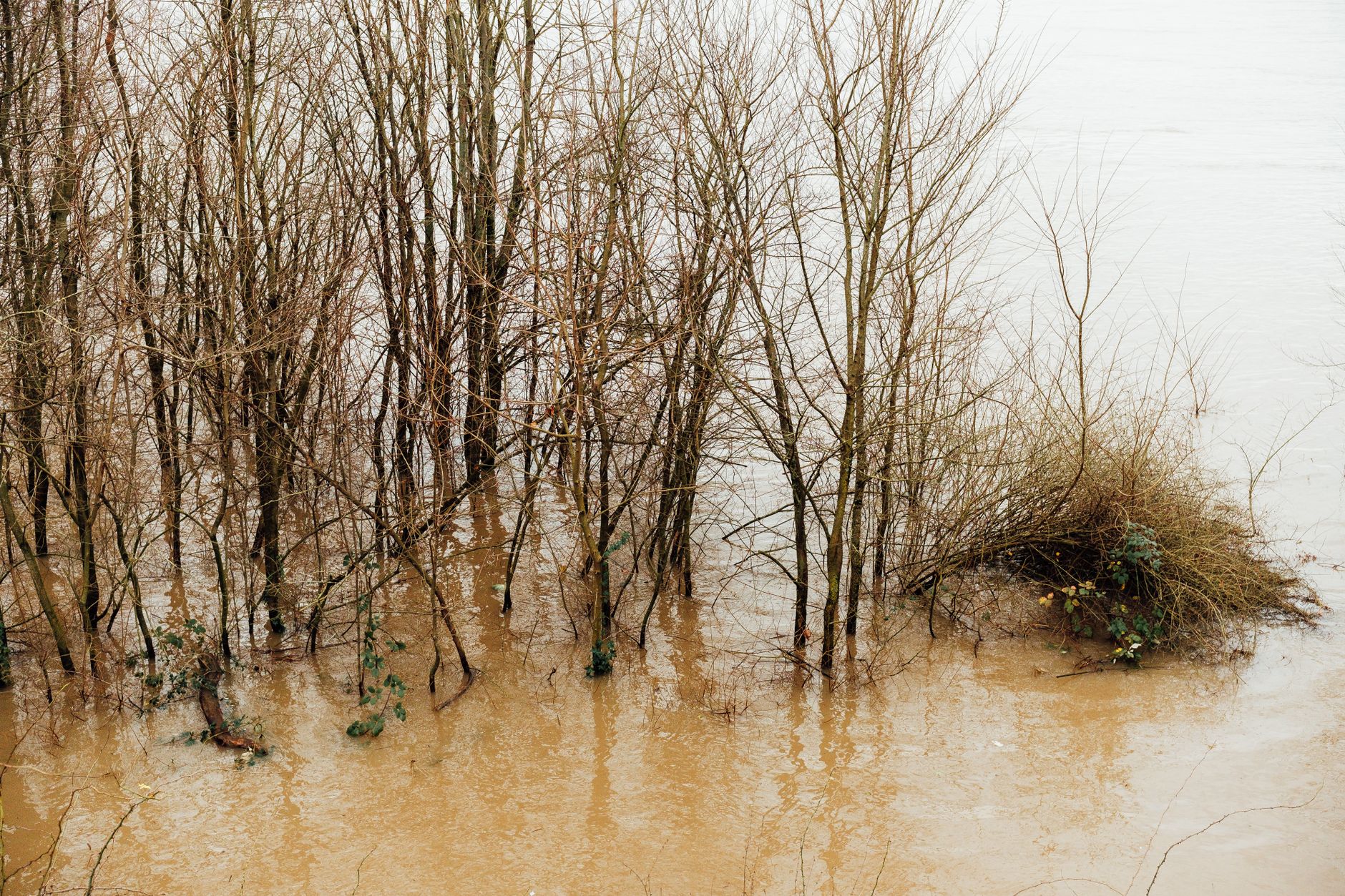
A homeowner caught in a ‘crazy’ flood waiting to hear if house a write-off should understand that two broad write-off paths exist. The first is a constructive total loss: the house is still standing, but the repair quote is so high the insurer chooses to pay out the insured amount instead of repairing. The second is an actual total loss, where the dwelling has been swept away or structurally compromised beyond any feasible repair. In most suburban flood claims, it is the constructive total loss that triggers the letter no homeowner wants to open.
The assessor’s checklist
Loss adjusters and builders look at a few key things when weighing a write-off decision:
- Depth of water above floor level and how long it sat
- Whether load-bearing timbers or steel have been submerged long enough to weaken
- The extent of electrical and plumbing damage
- The cost to strip out, sanitise, and re-sheet every affected wall and ceiling
- Access constraints in flood-recovery zones that push labour and material costs higher
The combination often results in one stark number that exceeds the sum insured on file. If that happens, the conversation turns from repair to payout.
What a write-off means for your home loan
This is the part of the story that keeps a homeowner caught in a ‘crazy’ flood waiting to hear if house a write-off awake at night: the mortgage does not disappear when the house does. In Australia, a home loan is attached to the borrower, not the property. Even if the property is destroyed, the borrower remains liable for the debt unless the loan is fully discharged by an insurance payout. That payout goes to the mortgagee (the bank) first if the lender has an interest noted on the policy—which almost all Australian lenders require as a condition of settlement.
The payout waterfall
Here is the typical sequence in a total-loss flood claim:
- Insurer declares the home a write-off and confirms the sum insured.
- The insurance cheque is made payable jointly to the homeowner and the lender, or directly to the lender, depending on the policy terms and the bank’s security requirements.
- The lender uses the proceeds to extinguish the mortgage balance.
- Any surplus funds go to the homeowner.
- If a shortfall exists—meaning the payout is less than the mortgage debt—the homeowner still owes the difference.
That shortfall scenario is exactly why a homeowner caught in a ‘crazy’ flood waiting to hear if house a write-off should speak to a mortgage broker early, even before the insurer finalises its report. A broker can help model the numbers and, if necessary, approach the lender about hardship variations, repayment pauses, or restructuring the residual debt.
The waiting game and what to do while it drags on
Waiting for an insurer to declare a house a write-off can take anywhere from two weeks to three months in a declared catastrophe zone, simply because of the volume of claims and the limited pool of qualified assessors. During that period, a homeowner caught in a ‘crazy’ flood waiting to hear if house a write-off can take several steps that protect both their finances and their mental wellbeing.
1. Document everything, obsessively
Photograph each room from multiple angles before, during, and after clean-up attempts. Keep a digital drive with dated images. Record serial numbers of ruined appliances. Save every receipt for temporary accommodation, meals, and emergency supplies. These become critical if the insurer disputes the extent of damage or later offers a cash settlement.
2. Lodge a hardship application with the bank
Most Australian lenders have a natural-disaster hardship policy that can pause repayments for 90 days or longer. While the interest continues to accrue, a pause can free up cashflow when a family is paying for temporary housing on top of a mortgage. Some lenders also offer reduced-payment arrangements or interest-only periods for borrowers in defined disaster zones.
3. Start a conversation with a broker
Even if the final write-off decision is weeks away, a broker can provide a financial map. They can review whether the sum insured still aligns with the current loan balance—an alignment that often drifts if the property was purchased years ago and building costs have surged. They can also run “what if” calculations on a payout scenario so the homeowner understands if they are likely to walk away with equity or face a shortfall. In cases where a shortfall is probable, a broker can negotiate with the lender early, potentially rolling the residual debt into a new loan on a rebuilt or replacement property later.
Rebuilding or moving on: the choice after a write-off
A write-off does not physically destroy the land. In Australia, the distinction between land and improvements means the dirt under a wrecked house retains its value, and in many postcodes that value is substantial. A homeowner caught in a ‘crazy’ flood waiting to hear if house a write-off has two main pathways once the insurer settles.
Rebuild on the same land
If the land is still safe to build on—a question that must be answered with a geotechnical report, especially if erosion or soil contamination has occurred—the owner can use the insurance payout (minus the mortgage discharge) to fund a new construction. Some policies include a “replacement benefit” that covers full rebuilding costs even if they exceed the sum insured, but this is not standard. It often appears in comprehensive home insurance products and is worth checking when buying a policy. Rebuilding also requires council approvals, updated flood overlays, and potentially raised floor levels under current planning rules, which can add time and cost.
Sell the land and relocate
For some families, rebuilding on land that flooded once is psychologically impossible. Selling a vacant block in an area that just experienced a major flood can be challenging, but it is possible, especially if the location has amenities buyers still want. The sale proceeds, combined with any leftover insurance money, can form a deposit for a home on higher ground. A broker can help structure a new loan on a different property while managing the residual debt on the old one, if any exists.
Protecting yourself before the next weather event
With the Bureau of Meteorology forecasting more extreme rainfall events as the climate warms, the question of how to avoid becoming a homeowner caught in a ‘crazy’ flood waiting to hear if house a write-off is not theoretical. Several measures can cushion the blow.
Flood-specific insurance cover
Standard home and contents policies do not automatically cover flood in Australia. Flood cover is often an optional extra or is included under specific conditions. After a major event, the industry typically updates its definitions, but homeowners should read the Product Disclosure Statement and ask directly: does this policy cover riverine flood, flash flooding, and storm surge? The definition matters because a “storm water” event and a “flood” can be legally distinct in some policies, leading to disputes.
Sum-insured adequacy
Australian construction costs have risen sharply—builders report increases of 15–25% since 2020 in some regions. A sum insured that covered a rebuild five years ago may now be tens of thousands of dollars short. An annual review, ideally with input from a builder or quantity surveyor, brings the number closer to reality. Many online calculators underestimate the cost of custom fittings, site access, and compliance upgrades required by current building codes.
Emergency savings and offset accounts
A mortgage offset account can do double duty. In normal times, it reduces interest. In a disaster, it provides an instantly accessible cash buffer for evacuation, temporary housing, and uninsured losses. While not every household can build a large offset balance, even a modest amount can prevent the need high-interest credit in an emergency.
The emotional toll that doesn’t make the claim form
Flood recovery is not only a financial process. A homeowner caught in a ‘crazy’ flood waiting to hear if house a write-off often describes a sense of limbo that disrupts sleep, work, and family relationships. The Australian Psychological Society notes that natural disasters can trigger acute stress, anxiety, and prolonged grief tied to the loss of a home and its memories. Accessing support through a GP, a mental health plan, or community organisations like Lifeline and Beyond Blue is a legitimate and important step. It can also help homeowners think more clearly when making complex financial decisions during a time of immense pressure.

FAQ
Q: Does a write-off mean my house will be demolished immediately? A: Not necessarily. The insurer may settle the claim and pay the sum insured, but the demolition and site clearance are often separate steps arranged by the owner or the local council if the dwelling is declared dangerous. The timing depends on the condition of the structure and local regulations.
Q: Can I keep my land if my house is a write-off? A: Yes. The write-off relates only to the building, not the land title. You remain the landowner unless you choose to sell the block.
Q: What if my insurance payout doesn’t cover my remaining mortgage? A: The shortfall remains your debt. You should contact your lender immediately to discuss hardship arrangements. A mortgage broker can help negotiate a manageable repayment plan or explore refinancing options once your situation stabilises.
Q: How long should I expect to wait for a write-off decision after a major flood? A: In a declared catastrophe, it can take 6–12 weeks, depending on the volume of claims and assessor availability. You can request interim payments from some insurers to cover emergency accommodation while the full assessment is underway.
Q: Should I accept the first settlement offer from my insurer? A: Not automatically. It is wise to get an independent building assessment or at least cross-check the insurer’s scope of works against a detailed quote from a local builder. Discrepancies are not uncommon, and you have the right to dispute an offer if you believe the repair estimate undervalues the true cost.
Q: Can I switch insurers while my claim is pending? A: No. You cannot transfer or cancel a policy with an active claim. The existing insurer remains responsible until the claim is settled.
The path back to solid ground
Being a homeowner caught in a ‘crazy’ flood waiting to hear if house a write-off is an experience that tears at the sense of security a home is supposed to provide. The wait is exhausting, the uncertainty corrosive. But a write-off, however devastating, is also a financial mechanism with a defined endpoint. Once the letter arrives, whether it says repair or total loss, the next steps are knowable: engage with the lender, map the numbers with a broker, explore hardship support, and make a plan for the land and the remaining debt. In the meantime, documenting the damage thoroughly and staying in regular contact with the insurer can speed the process. And if there is one permanent lesson homeowners across Australia are taking from these flood seasons, it is that a good insurance policy and an adequate sum insured are not things to file away and forget—they are an annual priority that can transform a catastrophic event from a financial ending into a beginning.