general
Will China’s new northern tech bases in Hebei and Tianjin spark local housing demand?
China is pouring billions into tech hubs across Hebei and Tianjin. This in‑depth analysis examines whether the Xiong’an New Area and surrounding innovation zones will ignite lasting local housing demand, what historical tech‑cluster patterns reveal, and why Australian property borrowers should pay attention to these shifts.
China’s northern tech corridor—anchored by the Xiong’an New Area in Hebei and a string of innovation parks in Tianjin—is being billed as the country’s next Silicon Valley. By relocating state‑owned giants, research universities and AI labs away from Beijing’s crammed Zhongguancun belt, policymakers are attempting to engineer a brand‑new urban ecosystem. For anyone tracking global property cycles, the immediate question is: Will China’s new northern tech bases in Hebei and Tianjin spark local housing demand? The answer isn’t a simple yes or no; it depends on talent inflow velocity, mortgage accessibility and the genuine locational stickiness of the industries being transplanted.
The stakes extend far beyond China. Australia’s own property market has repeatedly absorbed liquidity from Chinese household savings and institutional capital. A sustained housing uptrend in the north could redirect that flow, tighten Sydney‑Melbourne bidding competition or create parallel lending opportunities. This piece examines the demand‑side variables, historical precedents and the financing mechanisms that will decide whether these hubs generate a durable real‑ledger story—not just a headline.
The anatomy of China’s northern tech push
Beijing’s decision to decant non‑capital functions into Hebei and Tianjin is not a pilot project; it is the centrepiece of the Jing‑Jin‑Ji integration masterplan. The Xiong’an New Area alone has absorbed over 600 billion yuan in fixed‑asset investment since 2017, with priority given to artificial intelligence, quantum computing and bio‑pharmaceutical parks. Simultaneously Tianjin’s Binhai New Area is expanding its supercomputing centre and is now home to the National Innovation Platform for E‑Class Supercomputing, attracting tenants such as Sugon and Phytium.
What makes this different from previous ghost‑town experiments is the synchronous relocation of end‑users. More than 20 Beijing‑based universities, including branches of Tsinghua and Peking University, are building satellite campuses. State‑owned enterprises like Sinochem and China Huaneng have moved headquarters, dragging thousands of high‑salary staff. When employers move before speculators, the population that generates rental contracts and mortgage applications follows organically. Still, early data shows residential take‑up lagging commercial completions by at least 18 months, an absorption gap that will define short‑term pricing.
How tech clusters historically ignite housing demand
The link between innovation districts and real estate is one of the most replicated narratives in urban economics. Silicon Valley transformed San Jose from a prune‑packing town into a metro where the median house price exceeds US$1.5 million. Bengaluru’s Whitefield corridor saw land values multiply fifteen‑fold in two decades once the IT services boom consolidated. Even smaller examples—Hsinchu in Taiwan, Cambridge in the UK—show that sustained R&D spending and patent density create wage premiums that underwrite higher housing budgets.
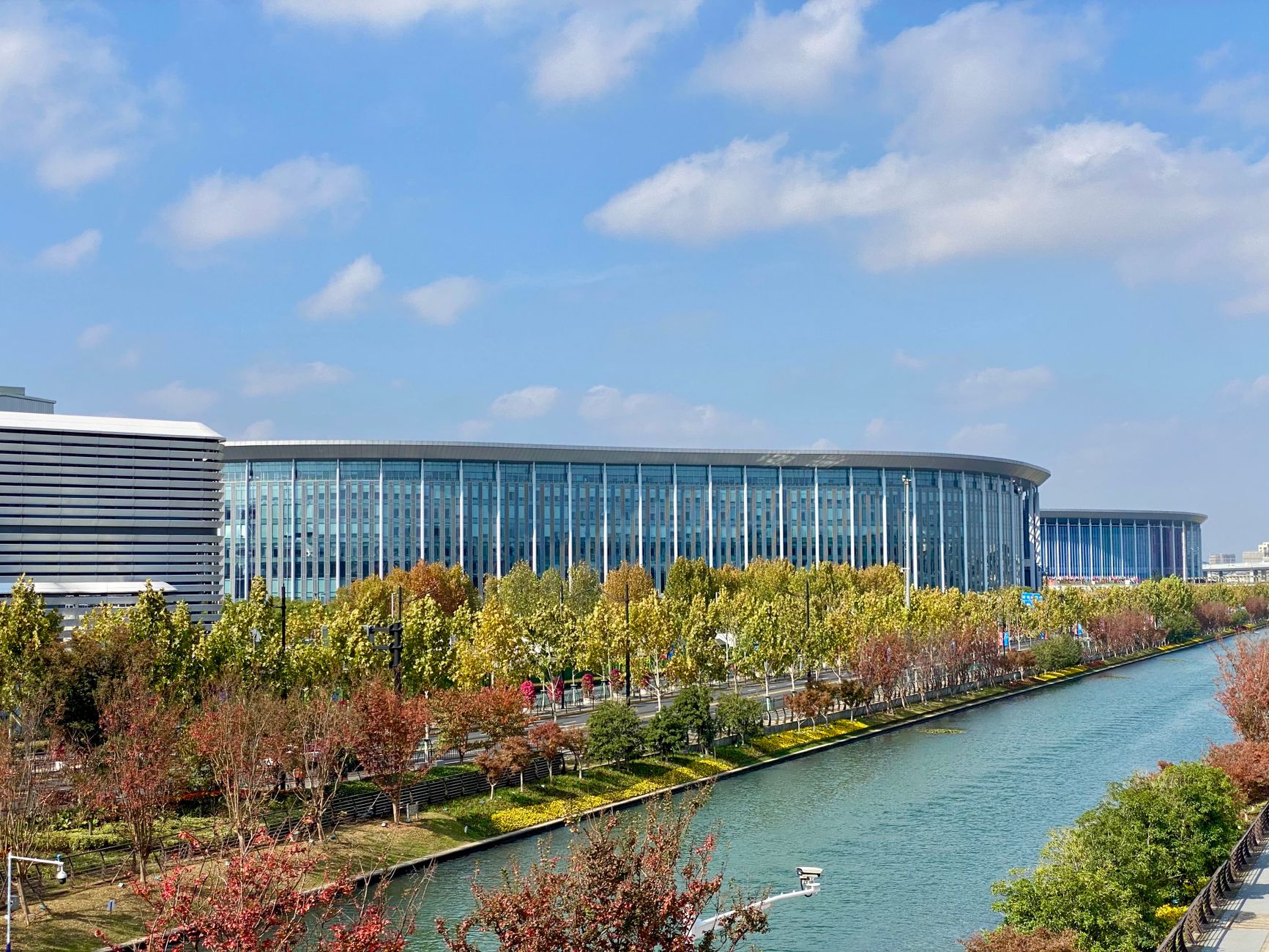
China’s own precedent is Shenzhen. In 1980 it was a fishing village; by 2020 its tech‑heavy Nanshan district recorded average residential prices higher than Hong Kong’s New Territories. The catalyst wasn’t just policy but a critical mass of engineers whose median income tripled the national average, supporting loan‑service ratios that banks found irresistible. For Hebei and Tianjin to replicate even half of that trajectory, average tech salaries in the new zones must quickly outpace the surrounding rural income baseline of roughly 40,000 yuan per annum. Current advertised positions in Xiong’an’s digital‑city command centres point to a starting range of 180,000–300,000 yuan, a multiplier that suggests the income floor is already moving.
Supply absorption and the mortgage environment
Housing demand is a function of income, credit availability and confidence. In Xiong’an, the government has deliberately restricted speculative buying—resale is capped by long holding periods and buyer qualifications comparable to Beijing’s hukou‑based gates. This design should suppress flipping but also limits the velocity of transactions that typically signal a market bottom. For genuine owner‑occupiers and long‑term investors, the absence of short‑term sellers is arguably healthy; for Australian observers accustomed to auction clearances as a sentiment gauge, the informational silence creates uncertainty.
Mortgage conditions in China remain accommodative for first‑home buyers. The five‑year loan prime rate was trimmed to 3.95% in early 2024, and local branches of Bank of China and ICBC in Tianjin have offered targeted products for tech‑park employees with a 20% deposit. This leverage backdrop is important because without accessible credit, even the highest‑paying research jobs cannot translate into bilateral demand. Early samples from Tianjin’s Konggang Science Park show that apartment sales volumes picked up 12% quarter‑on‑quarter in Q1 2026, driven almost entirely by locally employed STEM graduates.
Infrastructure: the vertebrae of property demand
No housing market thrives without commute logic. The Beijing‑Xiong’an Intercity Railway now delivers a 53‑minute connection to Daxing Airport and the West Beijing hub. Inside Hebei, the Rongwu Expressway and a three‑ring road network have turned what was once a three‑hour drive into a 45‑minute radius loop covering Baoding, Langfang and parts of Cangzhou. By late 2026, the Xiong’an terminal of the Beijing‑Tianjin‑Hebei high‑speed freight network is scheduled to open, connecting the area directly to Tianjin Port—a logistics stroke designed to lure export‑oriented semiconductor packaging firms.
Each completed transport link de‑risks the decision to buy a home on the periphery. Property data from Anxin County, one of the three counties comprising Xiong’an, shows a 7% asking‑price uplift within six months of a new metro station announcement. This classic “infrastructure premium” will be amplified if the tech base delivers jobs that cannot be performed remotely, because physical attendance makes proximity a non‑negotiable cost‑of‑living factor.
The Australian investor lens
For Australian property borrowers and brokers, China’s northern tech bases matter in three layers. First, the macro capital flow: a credible housing uptrend in Hebei‑Tianjin could absorb domestic savings that might otherwise exit into Sydney apartments or Melbourne suburban land. The Reserve Bank of Australia has noted that Chinese net capital outflows for property acquisition are highly sensitive to onshore return expectations. If Xiong’an delivers even a 5% annualised capital appreciation after holding costs, the relative appeal of a 2.5% rental yield in Epping may diminish for certain investor cohorts.
Second, there is a niche lending angle. Some Australian‑based buyers with family ties to Hebei or Tianjin municipality are already seeking cross‑border mortgage advice—how to use Australian‑dollar incomes to service a renminbi‑denominated loan for a Chinese property. Non‑bank lenders in Sydney and Melbourne that specialise in expat mortgages could see modest volume growth if the trend accrues.
Third, the industrial land component should not be overlooked. Logistics facilities serving the Tianjin‑Hebei tech belt are increasingly being structured as REITs available to qualified foreign institutional investors. While this sits outside the residential space, it reinforces the deeper message: real asset demand in northern China is diversifying beyond the residential speculation of the 2016–2020 era and moving towards income‑backed holdings—a shift that aligns with APRA’s prudential discipline and may make Chinese exposure more palatable to Australian SMSFs and wholesale funds.
Risks that could cap housing demand
No analysis is complete without stress‑testing the bear case. Talent retention is the largest X‑factor. Some technology staff relocated from Beijing’s Haidian District have reported lifestyle friction—fewer international schools, restaurant variety and healthcare services than they expected. If attrition rates among high‑value employees exceed 15% after the first three‑year contract cycle, the household formation that sustains a mortgage market will stall.
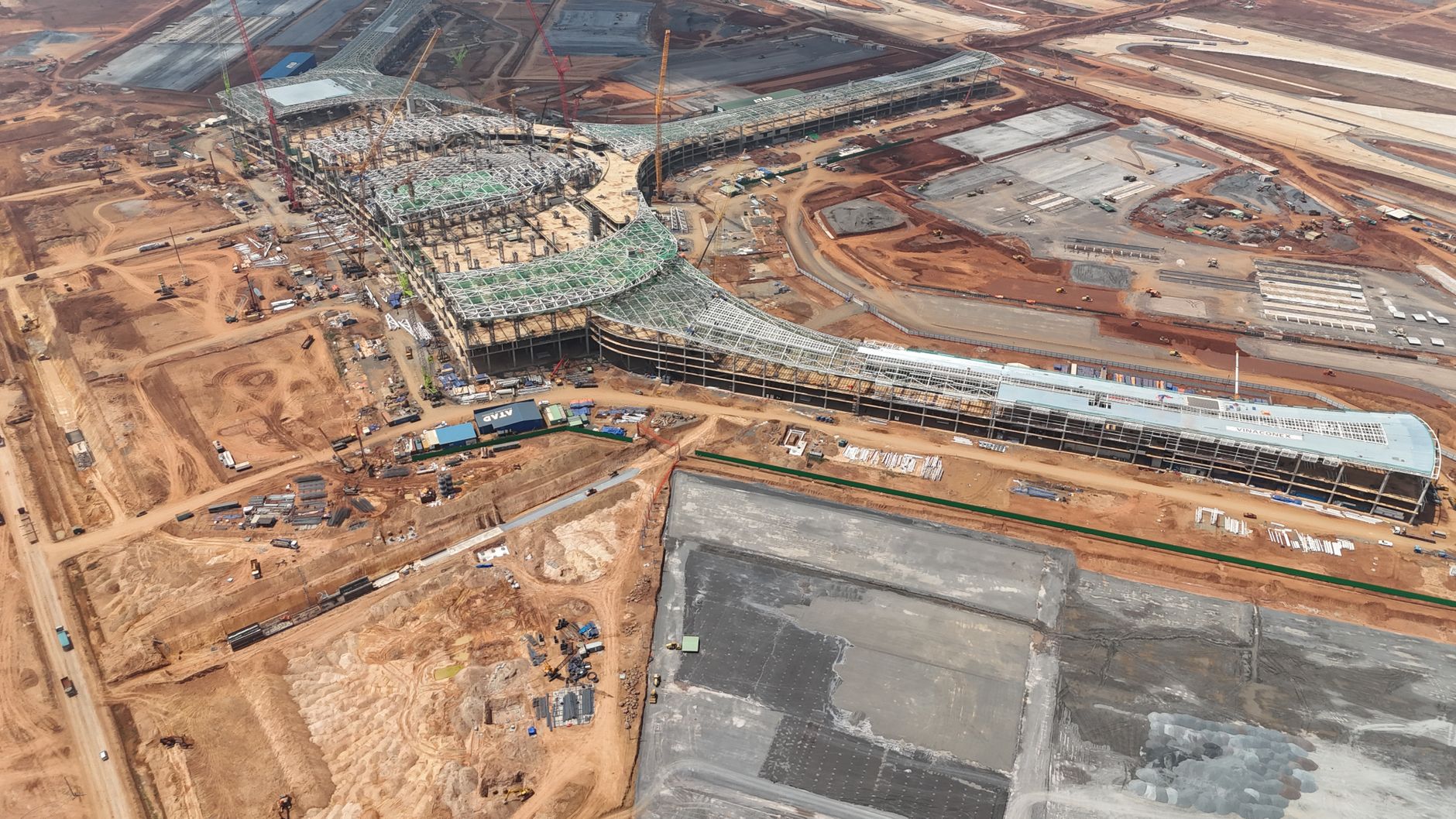
Oversupply is the second risk. Hebei’s pre‑existing speculative inventory in Langfang and Zhuozhou, remnants of the 2017‑era frenzy, still absorbs buyer caution. While Xiong’an itself is supply‑managed, the surrounding satellite towns are not, and an overzealous local government land auction programme could flood the market with mid‑rise stock that competes directly with the tech‑base catchment’s boundary suburbs.
The third risk is capital flight regulation. China’s State Administration of Foreign Exchange continues to enforce US$50,000 annual conversion quotas. For Australian residents wanting to capitalise on Hebei‑Tianjin price movements, the friction of moving legal proceeds back across borders in a timely fashion remains a non‑trivial barrier that could discourage participation.
FAQ
Will China’s new northern tech bases in Hebei and Tianjin create a housing bubble like the 2016 national frenzy? The structural difference this time is that purchase restrictions, hukou‑linked eligibility and long‑term holding rules make rapid flipping almost impossible. Early indicators point more towards a slow‑burning demand curve driven by genuine employment rather than a speculative spike.
Which specific districts in Tianjin are most exposed to the tech‑base housing narrative? The Binhai New Area’s Sino‑Singapore Eco‑City and Konggang Science Park zones show the strongest correlation between announced R&D tenancies and subsequent residential inquiry volumes. These districts also offer relatively developed community infrastructure, which aids family relocation.
Can foreign investors buy residential property in Xiong’an New Area? Currently, foreign individuals face strict eligibility hurdles and are generally limited to commercial or jointly‑owned innovation‑space leases unless they qualify through a work‑residence permit. Most Australian‑connected capital enters via institutional channels or land‑backed REIT structures.
How does labour mobility between Beijing, Hebei and Tianjin influence housing demand? Inter‑city high‑speed rail has shrunk commute times dramatically, which could distribute housing demand across a wider corridor rather than concentrating it solely inside Xiong’an. This spillover may benefit Baoding and Langfang more than the core zone if employers keep flexible attendance policies.
Is now a good time to seek mortgage pre‑approval for a property in the Tianjin tech belt? For domestic Chinese buyers with local employment contracts and sufficient deposit, current lending conditions are comparatively favourable. Australian residents considering such a purchase should engage a broker familiar with both Chinese bank requirements and Australian‑based income verification, because cross‑currency servicing calculations add complexity.
Conclusion
The question posed by this article is not purely hypothetical. China’s heavy bet on Hebei and Tianjin as northern tech bases is unlocking infrastructure, payrolls and policy frameworks that historically catalyse housing demand. Early evidence of wage growth, transport‑link completion and targeted mortgage products suggests that a genuine owner‑occupier base is forming beneath the steel‑and‑glass skyline. Yet the pace of absorption, talent stickiness and oversupply shadows in surrounding counties will ultimately determine whether the spark catches into a sustained flame.
For Australian borrowers navigating the local mortgage market, the story serves as both a capital‑flow signal and a parallel illustration of how infrastructure and employment density remain the twin engines of real estate value—wherever in the world the cranes happen to be.